
Rabbit Care Resource Center
Science-based guidance for rabbit, guinea pig, chinchilla, and other small pet parents.
Welcome to our comprehensive collection of educational resources covering everything from rabbit bonding techniques to emergency care, housing setups to enrichment ideas. These articles represent years of hands-on experience caring for our own rescue rabbits (Marshmallow, Macaron, and Chocolatte), volunteering with LA and Orange County shelters + rescues, and applying behavioral research principles to real-world rabbit care challenges.
Whether you're a first-time rabbit parent or an experienced small pet parent, you'll find practical, research-backed advice to help you provide the best possible care for your pets.
Browse our resource library below - organized chronologically from most recent to oldest, covering topics including bonding, health, nutrition, housing, enrichment, veterinary care, and more.
Looking for something specific? Use your browser's search function (Ctrl+F or Cmd+F) to find articles by keyword or browse by category:
Rabbit Health · Rabbit Care + Life · Adoption + Rescue · BCB Archive
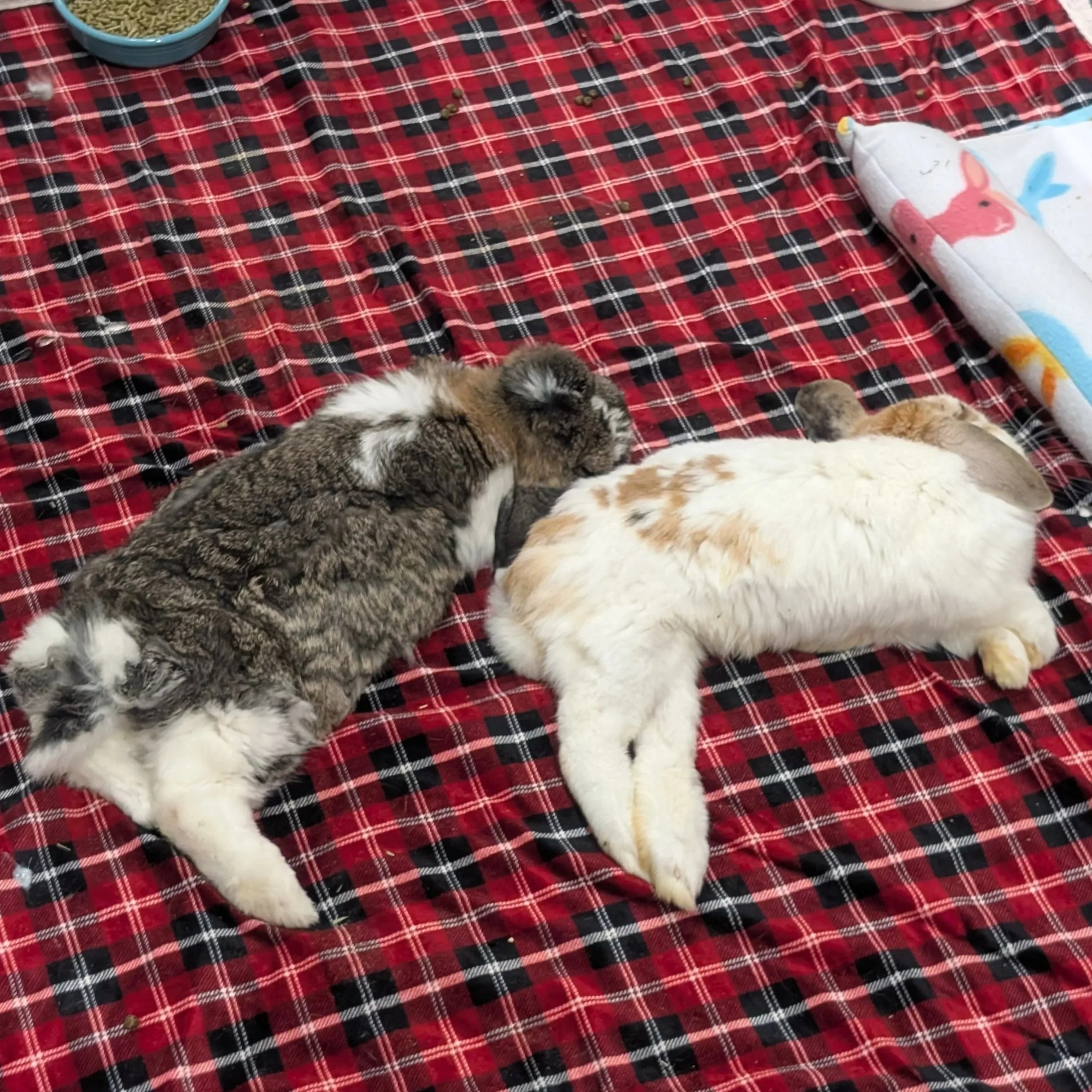
what to do when a rescue won't take their animals back
You said yes because you wanted to help. You opened your home, bought supplies, learned care routines, and showed up - often for animals who came to you frightened, malnourished, or medically fragile. You did everything right.
But now the rescue won't respond when your contract is up or you need to return your fosters for any changes in circumstances.
BCB has seen this firsthand. We know what it looks like when a rescue weaponizes the foster agreement against the very people who volunteered to help them.
Do not use this article as a guide to which rescues to avoid - this is not what it’s written for. It’s meant to help you advocate for the animals in your care best.
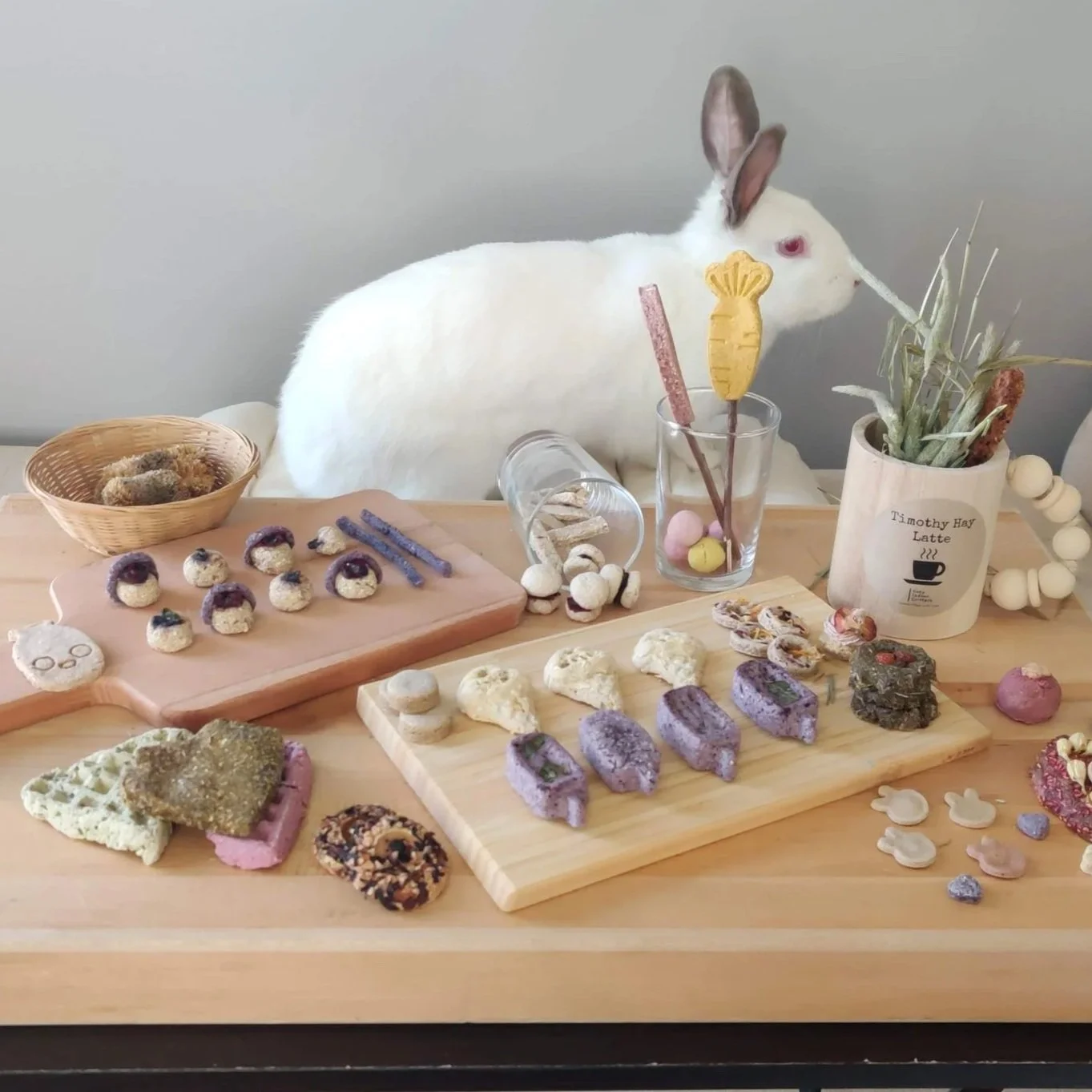
rabbit trends on social media: why we walked away
Bunnies are not our entertainment.
We have always known that - but we did not always act like it.
This article is not written from a pedestal. It is written from experience -including our own participation in content we are no longer proud of. If BCB is going to ask the rabbit community to hold a higher standard, we are willing to hold ourselves to it first.
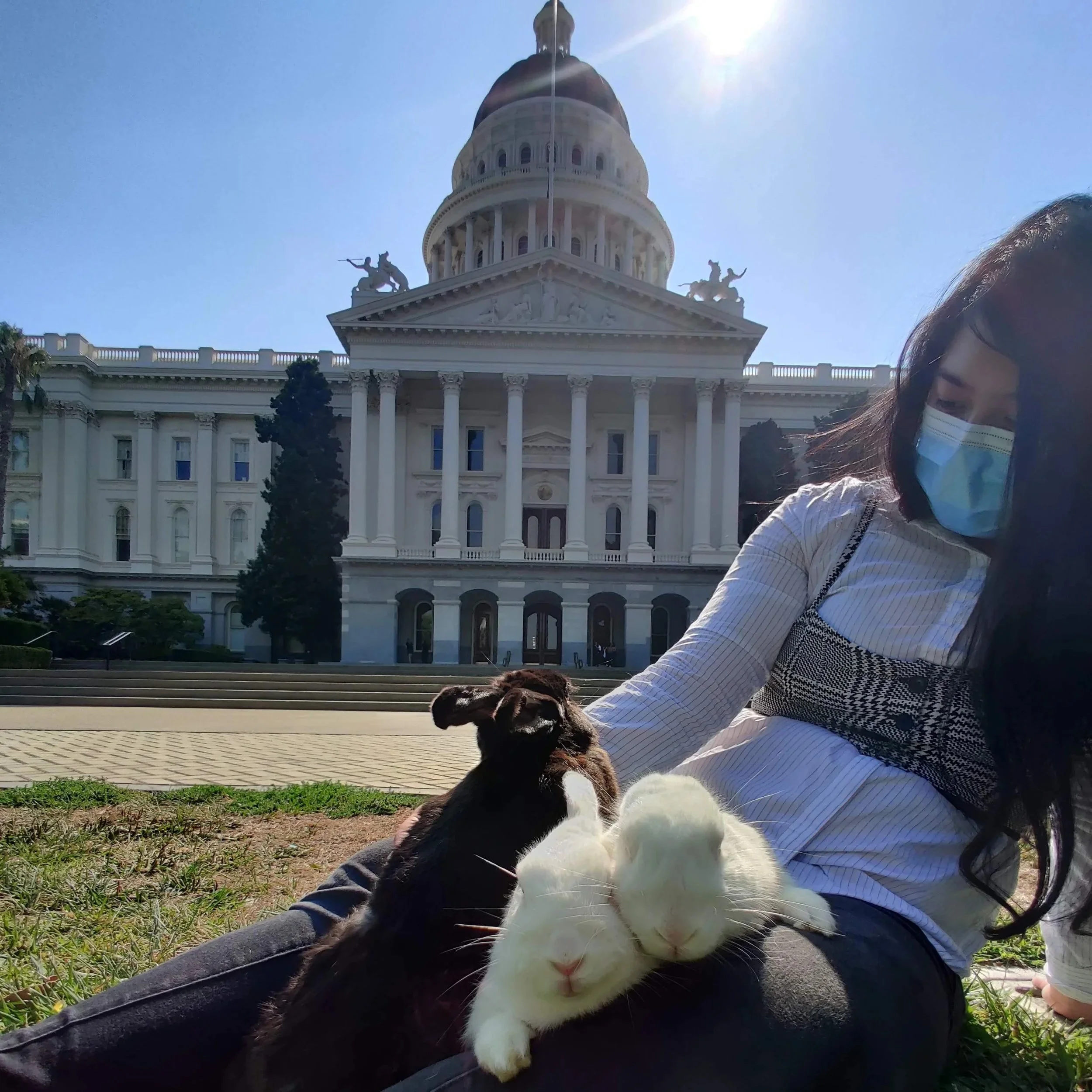
ab 1382 failed: senator cervantes killed california's genetically modified pet ban
AB 1382 is dead. Not because it was a bad bill. Not because the science didn't support it. Not because California legislators decided that genetically modified novelty animals - including rabbits engineered to glow in the dark - are actually fine for the consumer pet market.
It died because Senator Sabrina Cervantes, chair of the Senate Appropriations Committee, held it on the suspense file on August 13, 2026.

before you wrangle: how to actually prepare for a rabbit rescue situation
Catching a dumped rabbit feels urgent and heroic - and it is. But the moment that rabbit is in your hands, the real work begins. Where do they go tonight? Who's paying for the vet visit they almost certainly need? What happens if they’re sick? What if they’re pregnant? What if you're allergic, your landlord doesn't allow pets, or your dog is too interested?
A wrangle without a plan is just transferring the rabbit from one precarious situation to another.
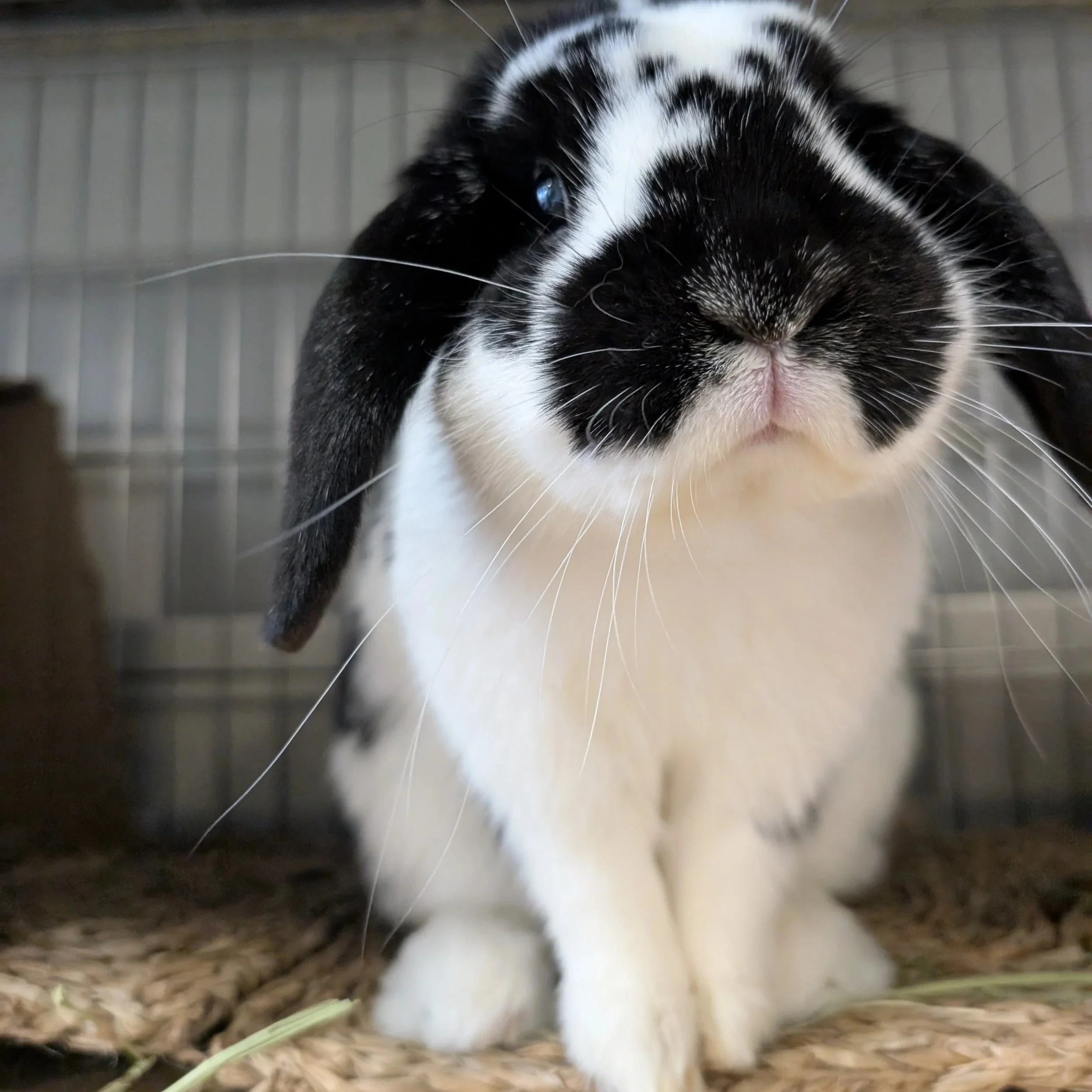
not all rescues - or shelters - are created equal
Rabbits are still second-class citizens in the pet world. That is not an exaggeration - it is the reality of how the shelter and rescue system treats them, how they are housed, how they are assessed, and how quickly they are overlooked in favor of dogs and cats who have more resources, more advocates, and more public sympathy.
We are not writing this to discourage you from the shelter system. We are writing this because the more you understand how it actually works - and where it falls short - the better advocate you can be for the rabbit in front of you.
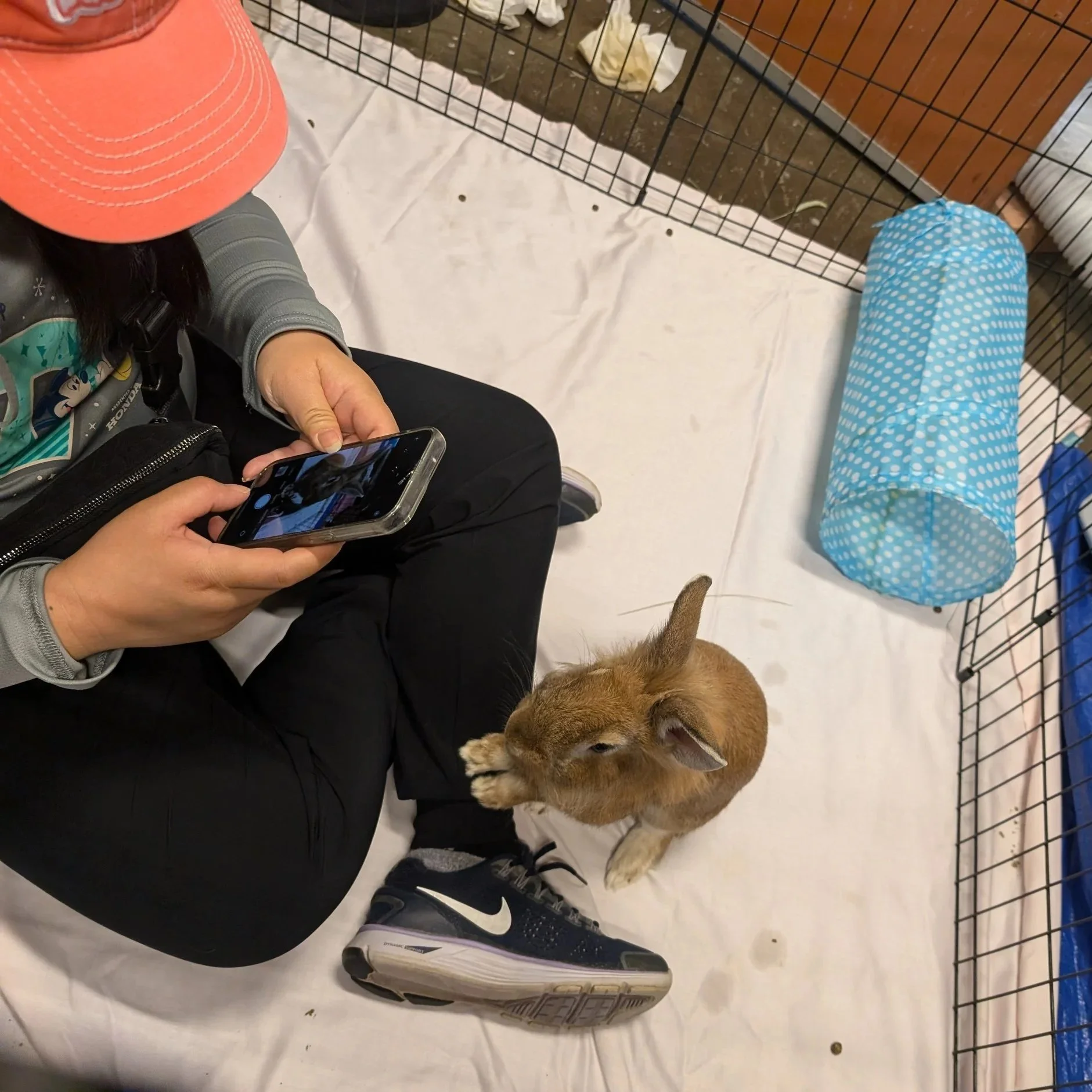
so you want to volunteer at laas or lbacs
The rabbit volunteers at Los Angeles Animal Services (LAAS) and Long Beach Animal Care Services (LBACS) are the reason the rabbits in those facilities fare as well as they do. Not the system - the volunteers. They are showing up on weekends, on weekday mornings, on days when the shelter is overwhelmed and the staff is stretched thin, and they are doing the work that keeps rabbits fed, socialized, clean, and visible to potential adopters.
If you love rabbits and you have capacity to give - this is one of the most meaningful things you can do with it.
Here is what it actually looks like.